Thirty years ago, if you had asked me when to visit Sweden, my answer would have been short: “You have exactly ten weeks between mid-June and August.” Back then, the country seemed to hibernate outside of that window. But having lived and breathed the Swedish lifestyle for nearly three decades, I’ve seen a remarkable shift. Today, Sweden is a vibrant, year-round destination where the “tourist season” has expanded far beyond those traditional borders. Whether you are chasing the Midnight Sun or the magical Northern Lights, here is my insider’s guide on when to pack your bags.
The classic Swedish summer: Sunsets and Midsummer magic
For many, the dream of Sweden involves red cottages, sparkling blue lakes, and sun that never seems to set. This peak season typically stretches from Midsummer (around June 20) to mid-August. This is when Sweden is at its most “Swedish.” Schools are out, the cities quiet down as locals head to their summer houses, and the countryside bursts into life.
If you enjoy a lively atmosphere, the last two weeks of July and the first two weeks of August are the busiest. Every campsite, beach, and hotel from Öland to the Stockholm Archipelago will be buzzing. But here is a tip from someone who has seen thirty of these summers: don’t overlook late May or early September. Many campsites and summer cafés now open much earlier and stay open longer than they used to.
And the best part? In late May, you might find yourself enjoying the first warm swim in a lake in Småland while people are still skiing on the slopes of Riksgränsen in the far north. Sweden is 1,600 km long – a distance that creates incredible seasonal contrasts.
Autumn gold and seafood feasts
Once the schools start again around August 20, a peaceful calm settles over the landscape. This is what I call the “connoisseur’s season.” Around September 10, the focus shifts from swimming to the riches of the forest and sea.
- Hiking and foraging: The mountains (fjäll) turn shades of deep orange and red, making it the perfect time for hiking without the summer heat or the mosquitoes.
- Seafood on the West Coast: If you love shellfish, autumn is the time to visit Bohuslän. The lobster premiere in late September is a major event, and the oysters and mussels are at their absolute best in the cold, clean water.
- Harvest festivals: From apple markets in Kivik to Halloween festivities at Liseberg, there is plenty to celebrate before the winter chill sets in.
Winter wonderlands and Christmas markets
The festive season kicks off earlier than you might think. In mid-November, Gothenburg transforms into a Christmas fairy tale when Christmas at Liseberg opens its gates. Over the years, I’ve watched this event grow into a major international draw – and for good reason. There is nothing quite like sipping hot glögg under millions of twinkling lights.
Simultaneously, the winter sports season begins in the north. If you are into cross-country skiing, places like Bruksvallarna or Idre Fjäll are reliable early-season bets. For alpine enthusiasts, resorts like Åre or Vemdalen offer world-class skiing that can last until April or even May in Lapland.
Want to know the secret to a Swedish winter? Even if there is no snow in the south, we now have “winter all year round” thanks to innovative indoor ski tunnels in Gothenburg and Torsby. It’s a great way to get your pulse up before hitting the spa!
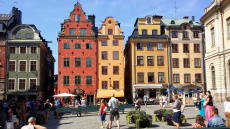
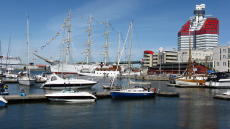
City breaks: Stockholm, Gothenburg, and Malmö/Copenhagen
While the countryside follows the rhythm of the seasons, our major cities are true 365-day destinations. Stockholm and Gothenburg have always been great year-round, offering world-class museums, shopping, and dining regardless of the weather.
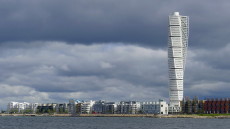
Malmö has recently joined this elite club. Thanks to the Malmö Live event center, incredible indoor food markets (Saluhall), and the futuristic Emporia shopping mall, there is always something to do.
And here is a pro tip: Malmö is perfectly situated for a “two-country” break. Thanks to the Öresund Bridge, you can hop on a train and be in Copenhagen in just 35 minutes. It is incredibly easy to combine a morning in Malmö with a day trip to the Danish capital – the trains run every 20 minutes!
Find the best city hotels
Staying in the heart of the action makes all the difference. Browse through a vast selection of highly-rated accommodations in Stockholm, Gothenburg, and Malmö to find the perfect fit for your style and budget.
Insider tips from 30 years of Sweden travel. This guide contains affiliate links (marked with ➔) to help support my work at no extra cost to you.
Final thoughts: When should you go?
So, what is my verdict? If you want the classic experience, aim for late June or July. But if you want to see the “real” Sweden – the one with crisp air, deep forests, and cozy fires – don’t be afraid to visit in October or February. Sweden has evolved into a destination that truly welcomes you anytime you like.