Sweden is a country that wears its history and nature on its sleeve. Did you know that, relative to its population, Sweden has the most World Heritage sites of any country that signed the 1972 UNESCO Convention? It is an impressive feat for a nation of ten million. Over the nearly thirty years I have spent exploring every corner of this beautiful country – from the sun-drenched limestone cliffs of Gotland to the frost-bitten peaks of the Arctic North – I have found that these 15 sites are the essence of Sweden. These spots belong on your ultimate Swedish bucket list.
The World Heritage Convention is, at its heart, a massive peace project. Born from the aftermath of the Second World War, it was designed to protect places of “outstanding universal value.” In Sweden, we take this responsibility seriously.
Cultural Heritage and Natural Heritage
The sites are split into two categories: Cultural Heritage, managed by the Swedish National Heritage Board (Riksantikvarieämbetet), and Natural Heritage, overseen by the Swedish Environmental Protection Agency (Naturvårdsverket). When I first visited Drottningholm Palace back in the 90s – the very first Swedish site to be listed – I realized how deeply these places connect us to the story of Sweden and its people.
Sweden’s 15 World Heritage sites

Agricultural landscape of southern Öland
To help you plan your trip, I have listed all fifteen sites geographically, starting in the south and working our way up to the Arctic Circle.
- Naval port of Karlskrona: A remarkably well-preserved 17th-century naval base. The architecture here was designed to impress, and the view from the water is still spectacular.
- Agricultural landscape of southern Öland: Locally known as Stora Alvaret. This limestone plateau has been farmed for five thousand years – the light here is a photographer’s dream.
- Hanseatic town of Visby: My personal favorite. This medieval walled city on Gotland feels like stepping back into the 14th century, especially during the Medieval Week in August.
- Grimeton radio station: Located near Varberg, this is a unique monument to early wireless communication. It is the only remaining station of its kind in the world that can still send messages.
- Rock carvings in Tanum: These Bronze Age carvings in Bohuslän depict ships, hunters, and animals. Seeing them at sunset, when the shadows deepen, is a magical experience.
- Drottningholm Palace: The residence of the Royal Family. Don’t miss the Court Theatre – the stage machinery is still original from the 1700s!
- Birka and Hovgården: The legendary Viking island in Lake Mälaren. It is one of the most complete examples of a Viking Age trading settlement.
- Skogskyrkogården (The Woodland Cemetery): Located in Stockholm, this site blends architecture and nature so seamlessly that it has influenced cemetery design worldwide.
- Engelsberg ironworks: Often cited as the best-preserved example of a 17th – 19th century Swedish ironworks. It feels like a time capsule.
- Mining area of the Great Copper Mountain in Falun: For centuries, this mine produced two-thirds of Europe’s copper. It is also the birthplace of the famous Falu Rödfärg, that iconic red paint you see on every Swedish cabin.
- Decorated farmhouses of Hälsingland: These “Hälsingegårdar” feature incredible folk art interiors. They were built by wealthy farmers who wanted to show off their success.
- High Coast and Kvarken Archipelago: A geological marvel. Here, the land is still rising out of the sea at a rate of nearly one centimeter per year. The hiking views are unbeatable.
- Church town of Gammelstad: Located near Luleå, these 400+ small red cottages were used by parishioners who lived too far away to travel home after Sunday service.
- Struve Geodetic Arc: A chain of survey points used in the 19th century to determine the exact shape and size of the Earth.
- Laponia: The largest area in the world with a “mixed” heritage. It is the home of the Sami people and contains some of Europe’s most spectacular Arctic mountain scenery.
Plan your heritage journey
Many of these sites are easily accessible from Stockholm or Gothenburg. I always recommend booking your accommodation in advance, especially during the short but intense Swedish summer season.
Check availability for your dates
Insider tips from 30 years of Sweden travel. This guide contains affiliate links (marked with ➔) to help support my work at no extra cost to you.
Practical tips
Over the years, I’ve found that you get the most out of these sites if you keep a few practical things in mind:
- Timing is everything: Most of these sites are outdoors. While Visby is stunning in the summer, places like Laponia offer a completely different magic in the winter with the Northern Lights. However, note that smaller museums (like the Hälsingland farmhouses) often have very limited opening hours outside of June, July, and August.
- Rent a car for the rural gems: While you can reach Drottningholm or Skogskyrkogården by subway, sites like Tanum, Engelsberg, or the High Coast are much easier to explore with your own wheels. And the best part? The drive is often as beautiful as the destination.
- The “Allemansrätt” rule: When visiting natural sites, you enjoy the “Right of Public Access.” You can walk almost anywhere, but the golden rule is: “Do not disturb, do not destroy.” Leave the sites exactly as you found them for future generations.
Explore Sweden by car
To reach remote sites like the Hälsingland farmhouses or the Tanum rock carvings, a rental car is your best friend. It gives you the freedom to discover hidden gems along the way.
Final toughts
Each of these 15 sites offers a unique window into what makes Sweden so special. From the industrious spirit of the Falun miners to the timeless beauty of Laponia, these are the places that define our heritage. If you only have time for one? Head to Visby – there is simply nowhere else like it on Earth.
So, which one will you visit first? Whatever you choose, I promise it will be a trip you’ll never forget.
More info
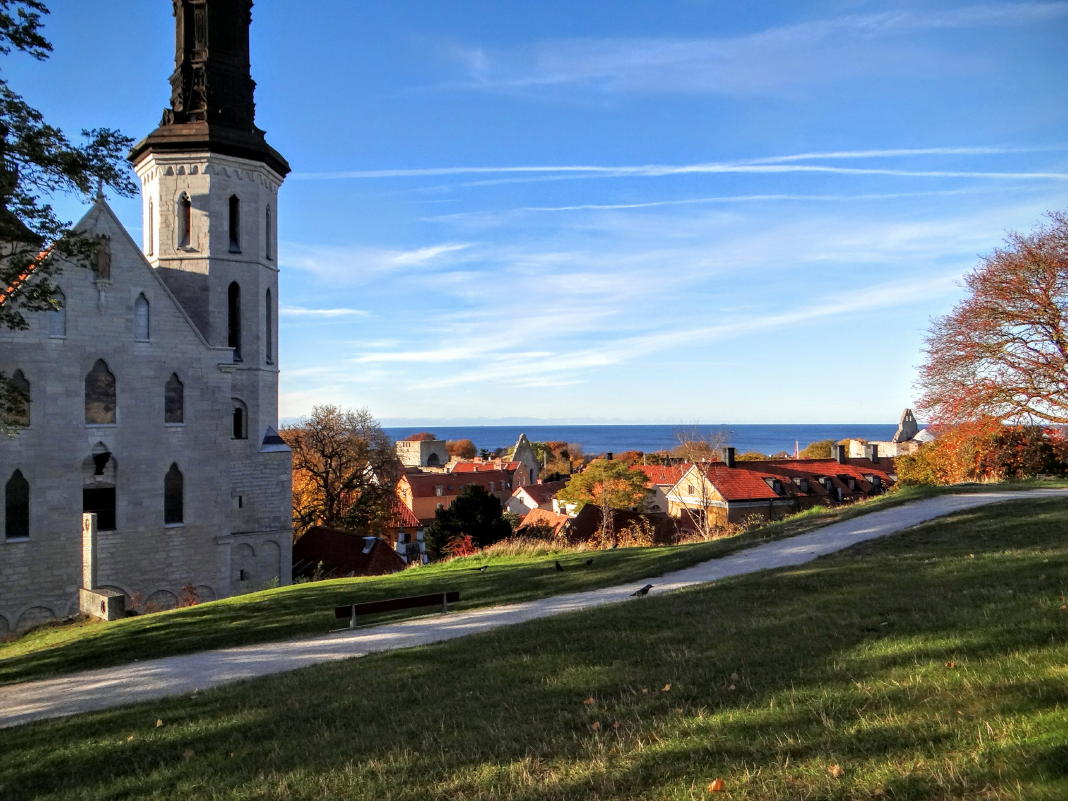
Visby

The masts of Grimeton radio station in Halland

Mining area of the Great Copper Mountain in Falun, Dalarna

Laponia midnight sun
Photo Decorated Farmhouse of Hälsingland (on the top of this page): Fjällvägen project, Jocke Lagercrantz. Photo Laponia midnight sun: Peter Rosen.