
Planning a trip to Sweden in 2026? Whether you are coming from the US, Asia, or elsewhere in Europe, Sweden is a dream destination, but it operates a little differently than many other countries. After living and traveling here for nearly three decades, I’ve put together this personal list of practical tips. Here is my updated 2026 guide to help you navigate Sweden like a local.
1. When to visit: Choosing the right season
Most international travelers aim for the peak summer season from mid-June to mid-August.
However, if you want to see the south of Sweden at its most beautiful, I highly recommend visiting in May. The nature is vibrant and green, and there’s usually very little rain. Just keep in mind that some attractions might only be open on weekends during this time.
Interestingly, the season is getting longer. Many attractions now stay open through September or even early October. If you prefer a quieter experience without the need for swimming weather, the autumn “shoulder season” is fantastic.
There is also a notable winter season in Sweden, especially in Lapland and in the ski resorts in Värmland, Dalarna, and Jämtland/Härjedalen. The best known ski resort is Åre, which regularly hosts major alpine skiing events. See my list with Sweden’s best alpine ski resorts. Apart from skiing, the winter season offers magical experiences like Northern Lights tours, dog sledding, and snowmobiling.
2. Major cities
The three cities Stockholm, Gothenburg and Malmö are of course premier tourist destinations all year round.
To start your planning, I recommend browsing my detailed guides for 2026:
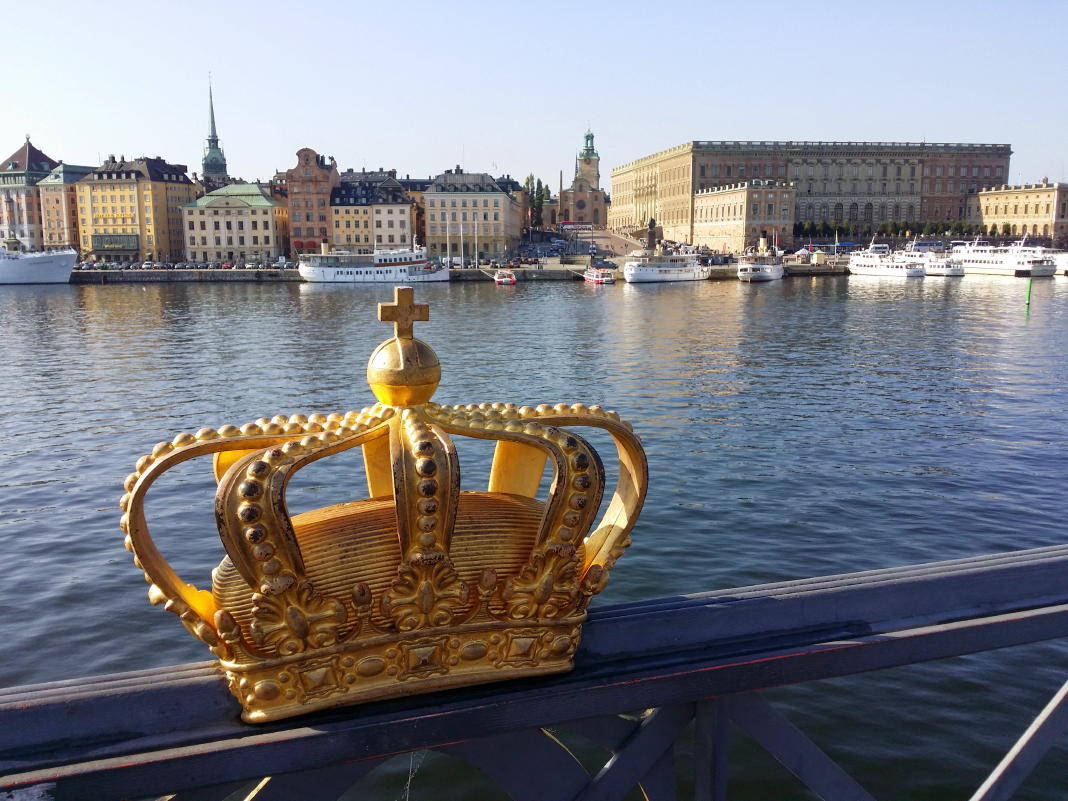
- Stockholm: Top 12 Stockholm Must-Sees: The Ultimate Guide for 2026
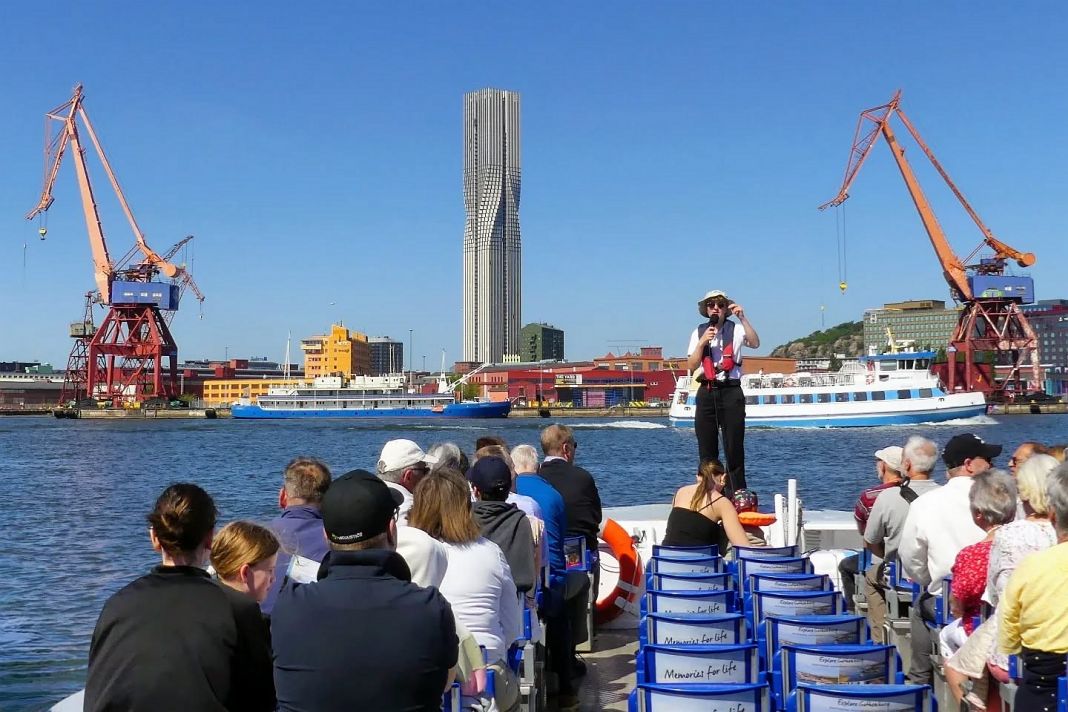
- Gothenburg: 12 Best Things to Do in Gothenburg: A Local’s Guide for 2026
- Malmö: 14 Best Must-Sees in Malmö: A Local’s Guide for 2026
3. Accommodation: Hotels vs. holiday homes
The pricing for Swedish accommodations can be a bit counter-intuitive for international guests.
Hotels: Surprisingly, hotels are often cheapest during the Swedish summer holidays (Midsummer through mid-August). During the rest of the year, look for lower rates on weekends.
My top tip? Never just “walk in” to a hotel. You’ll likely be charged the “regular” (much higher) rack rate. Always book online – even if it’s from your car in the hotel parking lot five minutes before you enter.
Holiday homes: These are in high demand and most expensive during the summer peak. If you want a classic red cottage, book well in advance.
Camping cabins: These are a fantastic, budget-friendly alternative, especially outside the peak season. They often offer great infrastructure like playgrounds and canoe rentals, which is a lifesaver if you’re traveling with kids.
Check availability for your dates
4. Packing list
Wondering what to take along to your holiday home? Read my Packing list for your holiday home rental in Sweden.
5. Rules of the road
Driving in Sweden is generally stress-free, but the rules are strict:
Lights on: You must use dipped headlights (or daytime running lights) 24/7, even in bright sunshine.
Zero tolerance: The alcohol limit is a very low 0.2 per mille. Never drink and drive – police often do random checks at ferry terminals in the morning.
Phone use: You are not allowed to use a mobile phone while driving unless you have a hands-free system.
Speed: Watch for the 40 km/h zones in southern towns. On motorways, the limit is 110 km/h, but if you’re towing a caravan, you must stay at 80 km/h.
Safety first: Seat belts are compulsory for everyone in the vehicle (a proud Swedish invention!).
6. Shop opening hours
Shops in small towns are generally open 10 – 18 on Mondays to Fridays, 10 – 14 on Saturdays. Food stores and shopping centres are also open in the evening and on Sundays.
7. Smoking
Smoking is highly restricted. It’s banned in restaurants, bars, and even on outdoor terraces and bus stops.
8. Respecting the “Right of Public Access”
Sweden’s Allemansrätten (Right of Public Access) is a beautiful thing. It gives you the freedom to swim in lakes, sunbathe on beaches, take a walk, go kayaking, climb a mountain and pick flowers, berries and mushrooms – and even camp for a night in the wild. (Different rules may apply in national parks and nature reserves.)
But it comes with a golden rule: “Do not disturb, do not destroy.” If you are traveling in an RV or motorhome, remember that “the right to roam” does not mean “the right to park anywhere”. Stick to designated paths and avoid “wild camping” in sensitive areas to keep this privilege alive for everyone. For more information see www.naturvardsverket.se.
9. Money: Leave your cash at home
Sweden is one of the most cashless societies in the world. In fact, I haven’t used physical cash since early 2019.
Most hotels, restaurants, shops, and even museums (like the ABBA Museum in Stockholm) simply do not accept cash. You’ll need a credit or debit card (Visa or Mastercard are best) with a PIN code.
And the best part? Contactless payment is standard for amounts under 400 SEK. Just make sure to carry a second card as a backup, just in case.
10. Electrical outlets
The voltage in Sweden is 230V with standard Euro-plugs (two round prongs). Please carry any necessary adapter or converter.
11. Tourist offices
You will find tourist offices in major tourist destinations and tourist attractions. They have a green “i” sign. Bigger ones have brochures and catalogues from all over Sweden. However, more and more cities have begun to close down their tourist offices in favour of online services and smaller info points.
12. Language
Don’t worry – almost everyone speaks excellent English.
13. Eating out: The “Dagens Rätt” strategy
If you want to eat well without breaking the bank, do what the locals do: eat your main meal at lunch.
Look for the “Dagens rätt” (Today’s Special). For about 110 to 150 SEK, you’ll get a high-quality main dish, salad, bread, a drink, and coffee.
Here is a pro tip: Avoid the 12:00 PM rush when every office worker in Sweden heads out for lunch at the exact same time. Most places serve the special until 2:00 PM or even 3:00 PM. In the evening, prices for the same type of food can double.
14. Alcohol
For anything stronger than “light beer,” you’ll need to visit the state-run Systembolaget. However, it is not open on Sundays.
15. Essential souvenirs to bring home

Skip the generic plastic trinkets. Instead, look for:
Swedish design: Crystal glass, wooden items (like the Dala horse), and high-end textiles.
Fashion: Brands like Fjällräven, Filippa K or Acne Studios.
Flavors of Sweden: Local coffee, hard cheeses, cloudberry jam, or “Polkagris” candy canes from Gränna.
Practical finds: I always recommend looking at Swedish bed duvets – they are standardly 10 cm longer than those in many other European countries.
The ultimate experience: If you love a bargain, visit Gekås in Ullared. It’s the largest department store in Sweden and a true cultural phenomenon.
Ready to book your Swedish adventure?
Browse the best hotels and hostels in Sweden
Conclusion
Sweden is an incredibly welcoming and easy country to travel through once you understand these basics. Embrace the nature, enjoy the coffee culture (Fika), and don’t forget to pack a versatile jacket – even in summer!
Hotels in Sweden
Book now: Hotels, hostels, B&B in Sweden
Stockholm
Gothenburg

Malmö
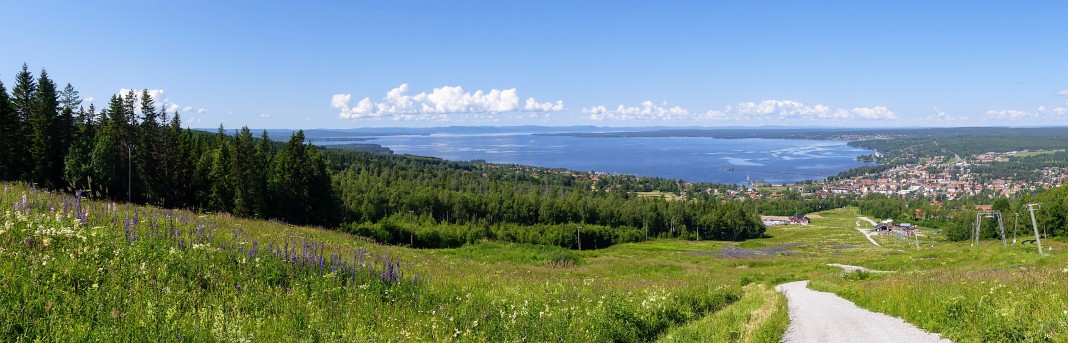
The picture at the top of this page shows Lake Siljan in Dalarna.