When I first started exploring Sweden over 30 years ago, I quickly realized that “wildlife” here means something different than in many other parts of the world. Swedish zoos have undergone a massive transformation over the decades. Today, the best parks are no longer just places to see animals; they are vital centers for conservation, breeding endangered species, and educating the next generation about our fragile ecosystem.
Whether you want to see the “Big Four” of the North or experience a safari from a gondola, here is my expert guide to the top six wildlife parks in Sweden for 2026.
Kolmården Wildlife Park – Scandinavia’s largest adventure

Located near Norrköping, about 140 km south of Stockholm, Kolmården is in a league of its own. It is the largest wildlife park in Scandinavia and, in my opinion, a must-visit if you are traveling with family. The absolute highlight? The Safari Gondola. It allows you to glide silently over vast enclosures where bears, moose, and giraffes roam together – a breathtaking aerial perspective that remains one of the most innovative and immersive wildlife experiences in the world.
While the dolphin show remains popular, the park’s focus has shifted heavily toward the Tiger World and conservation education. And for the little ones, Bamses Värld (based on the famous Swedish bear) is a magical addition.
Stay near Kolmården
Kolmården is huge – you really need two days to see it all. I recommend staying in Norrköping or at the park’s own Vildmarkshotellet for the full experience.
Check availability in Norrköping
Insider tips from 30 years of Sweden travel. This guide contains affiliate links (marked with ➔) to help support my work at no extra cost to you.
Nordens Ark – The heart of conservation

If you are looking for an ethical, deep-dive into animal preservation, Nordens Ark in Bohuslän is your place. This isn’t just a zoo; it’s a foundation dedicated to saving endangered species. Over the years, I’ve watched them successfully release hundreds of animals – from lynxes to otters – back into the wild.
Please note: As of 2026, the park has adjusted its opening hours during the off-season due to financial challenges. However, visiting now is more important than ever, as your ticket price directly funds their global conservation work. It is a quiet, beautiful, and “slow” experience. Bring binoculars – the enclosures are vast and natural, so the animals (like the elusive Amur tiger or Snow leopard) aren’t always standing by the fence waiting for a photo!
Skånes Djurpark – The Nordic wilderness experience

Down south in Höör, you’ll find a park that focuses exclusively on Nordic fauna. What I love about Skånes Djurpark is how interactive it is. It’s the best place to see the “Big Four” of Sweden: moose, wolf, bear, and lynx.
For families with younger children, the Shaun the Sheep Land (Fåret Shaun Land) is a massive hit. It’s a perfect blend of a traditional wildlife park and a modern, themed attraction. Plus, the park offers great spots for a traditional Swedish barbecue – very “local”!
Borås Zoo – A pioneer of the African Savannah

Only 50 km from Gothenburg, Borås Zoo is famous for being a global trend-setter. Long before others followed, Borås created a shared African Savannah where different species live together in the same enclosure. Watching zebras, giraffes, and antelopes interact in a large, open space is still a highlight of the Swedish zoo landscape.
It’s one of the most beautifully landscaped parks in the country, built into the hilly terrain of central Borås. It feels very green and spacious. If you are based in or near Gothenburg, this is your best option for a day trip.
Find a base in Borås
Borås is a great, affordable alternative to Gothenburg. The hotels here are modern and very close to the zoo and the city center’s impressive street art and striking sculptures (like the famous Pinocchio).
Parken Zoo – Animals and amusement in Eskilstuna
Parken Zoo in Eskilstuna (west of Stockholm) offers a bit of everything. It combines a zoo featuring rare species like Sumatran tigers and clouded leopards with a full-scale amusement park and an outdoor swimming complex.
It’s often less crowded than Kolmården, making it a more relaxed choice for families who want to combine animal sightings with some roller coaster thrills.
Lycksele Djurpark – The Arctic frontier
For those heading way up north to Lapland, Lycksele Djurpark is a unique stop. This is Sweden’s northernmost zoo, specializing in animals that thrive in the sub-arctic climate. It’s the most authentic place to see reindeer, arctic foxes, and muskoxen in settings that mirror their natural habitat.
Pro tip: If you visit in winter, the park transforms into a magical “Julstämning” (Christmas atmosphere) destination, though keep an eye on the early closing dates in late December.
City-based wildlife: Stockholm and Gothenburg
I know that many of you might be staying strictly in the cities without a rental car. Don’t worry – you can still get your “animal fix” without traveling deep into the countryside.
- Skansen (Stockholm): Located on the island of Djurgården, the world’s oldest open-air museum has a fantastic zoo section. It focuses on native Scandinavian animals like seals, otters, wolves, and bears. It’s the most accessible way to see Nordic wildlife if you are visiting the capital.
- Slottsskogen (Gothenburg): This is a hidden gem for budget travelers. Slottsskogen is a massive city park with free entry. You can see moose, Humboldt penguins, and seals right in the heart of the city. I’ve been visiting for years, and it’s still the best place for a relaxing afternoon walk and an ice cream.
- Universeum (Gothenburg): Located right next to Liseberg, this is more of a science center, but its Rainforest and Aquarium are world-class. You can walk through a tropical jungle with free-roaming birds and monkeys, or stand inches away from sharks in the massive ocean tank.
A note on Orsa Predator Park
Many readers ask about the Orsa Predator Park in Dalarna. Sadly, this park closed its gates forever in late 2022. While it was once Europe’s largest bear and ice bear park, the animals have since been relocated to other conservation centers. If you are in the Dalarna region looking for wildlife, I recommend focusing on guided “wildlife safaris” in the deep forests instead.
Practical tips for your visit in 2026
- Book in advance: Most parks now use dynamic pricing. Booking your tickets online weeks before your visit can save you up to 20% – and it guarantees entry during peak summer weeks. Prices at the gate (if available) are significantly higher.
- Seasonality: Most Swedish wildlife parks are seasonal. While some have limited winter openings, the main season runs from May to September.
- The “Right to Roam”: Remember that while these parks are great, Sweden’s Allemansrätten means you can also see wildlife for free in the wild! However, for guaranteed sightings and educational value, these six parks are the gold standard.
And the best part? By visiting these parks, you are actively contributing to the survival of species that might otherwise disappear from our planet.
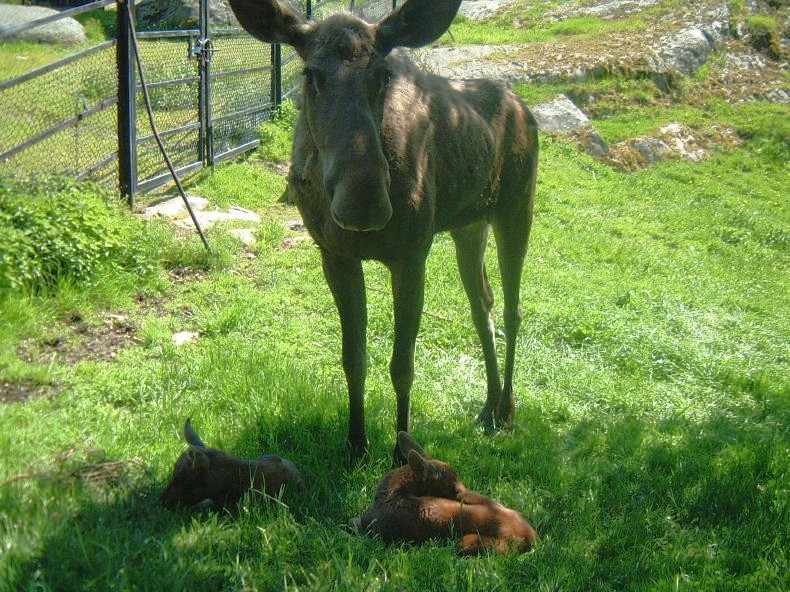
A moose with two calves in Slottsskogen Park, Gothenburg
Photos: Kolmårdens Djurpark, Tom Svensson/Nordens Ark and Skånes Djurpark.